Harness Engineering — Full Visual Guide
The model is smart. The harness makes it reliable. Build the environment around Claude Code, Codex, or any coding agent so multi-session work finishes with proof — not vibes.
References (original guide): learn-harness-engineering · OpenAI — Harness engineering · Anthropic — Long-running harnesses
All visuals are 1200×600 px — course-style previews, diagrams, terminal walkthroughs, and one mega overview GIF.
Visual previews (course-style)
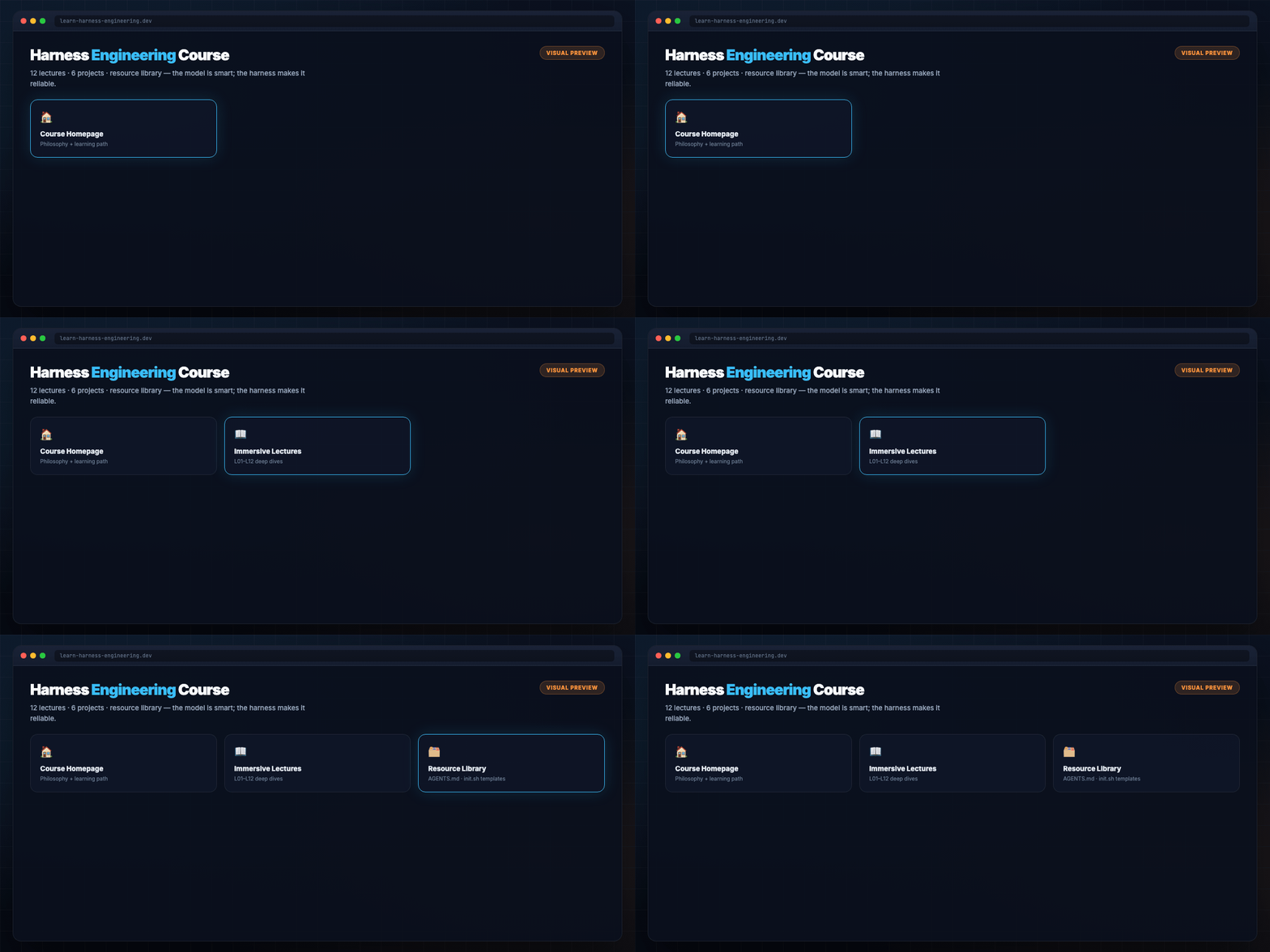
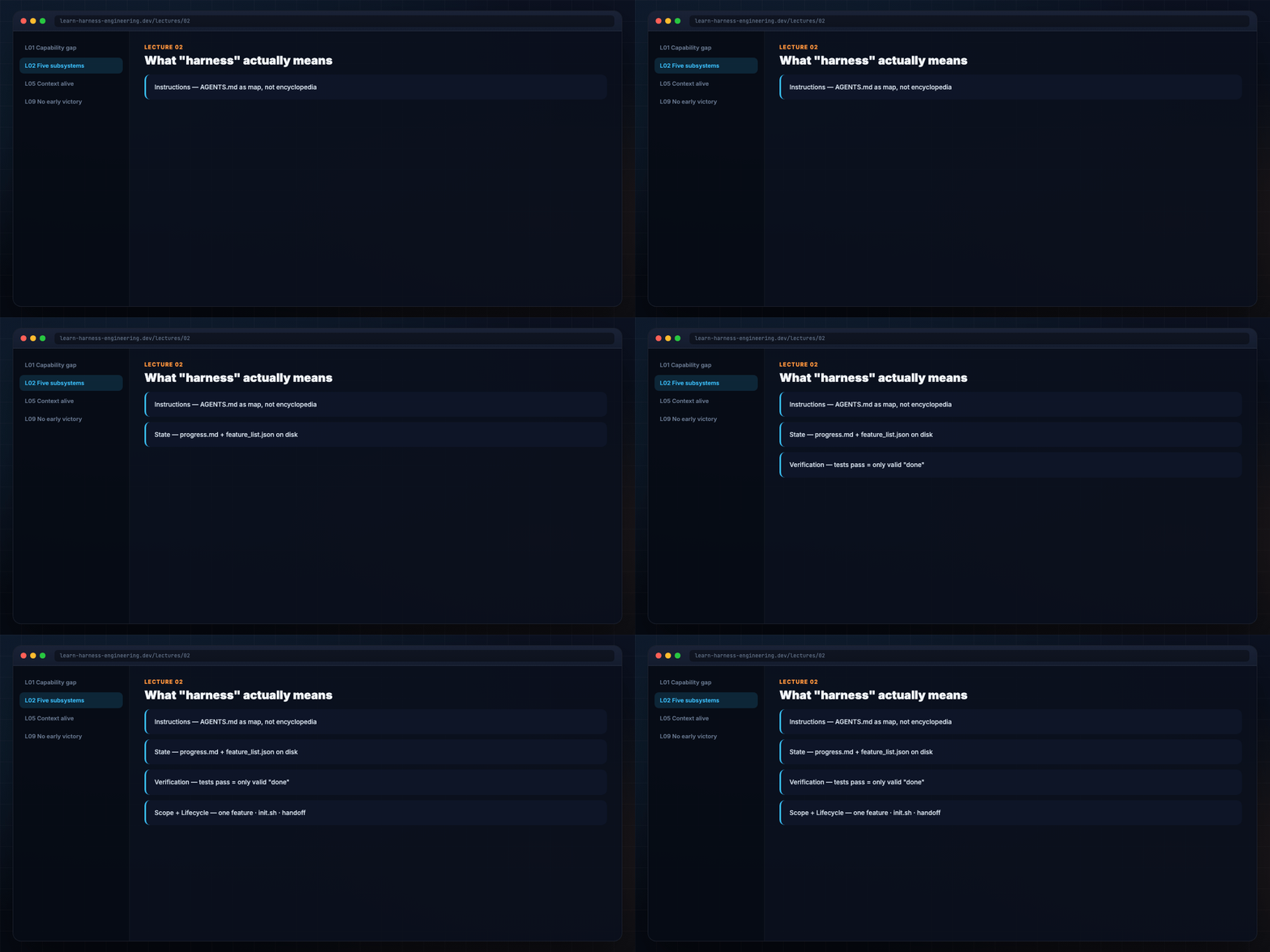
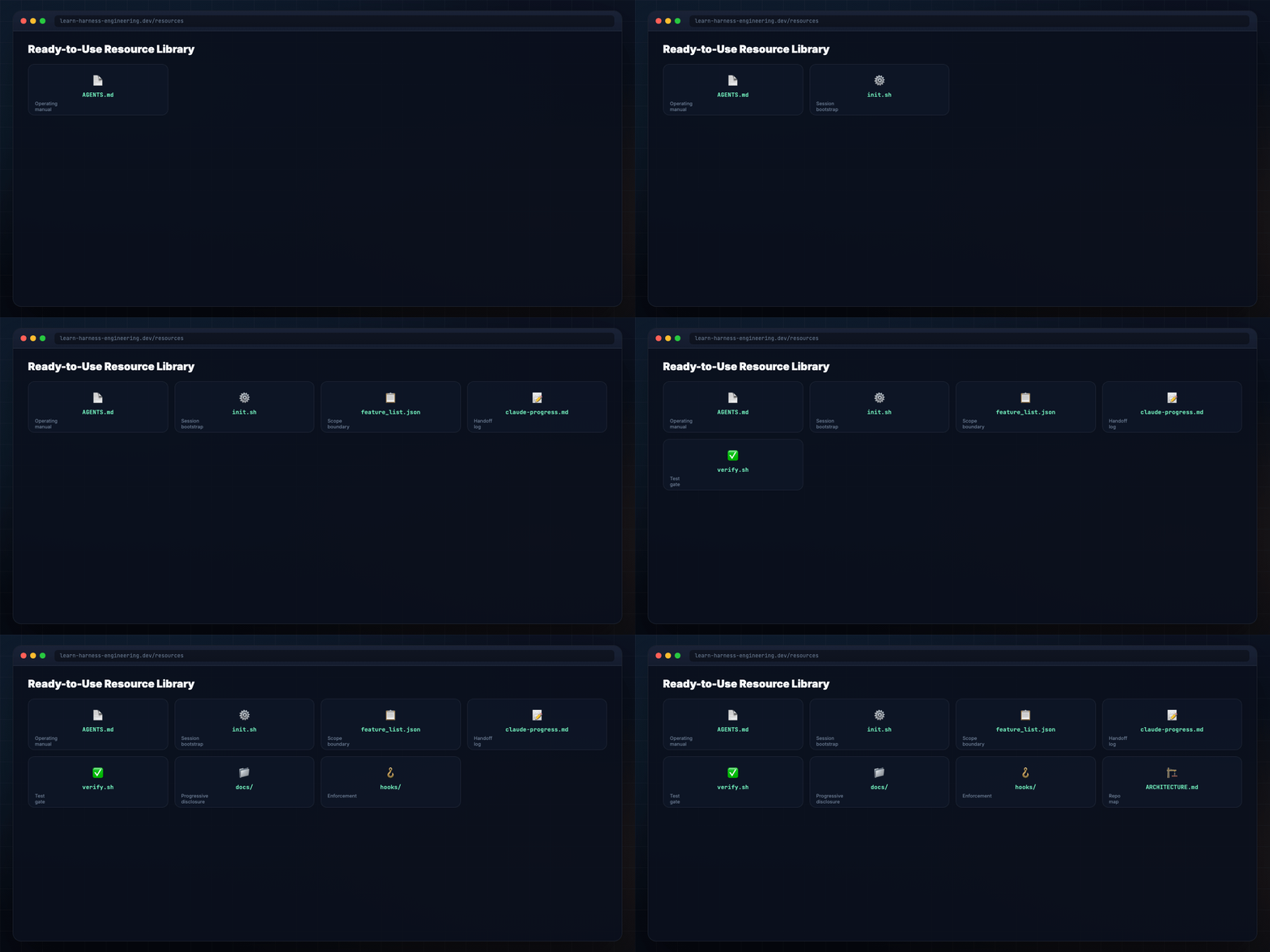
Mega overview (blog hero): mega-harness-everything.gif
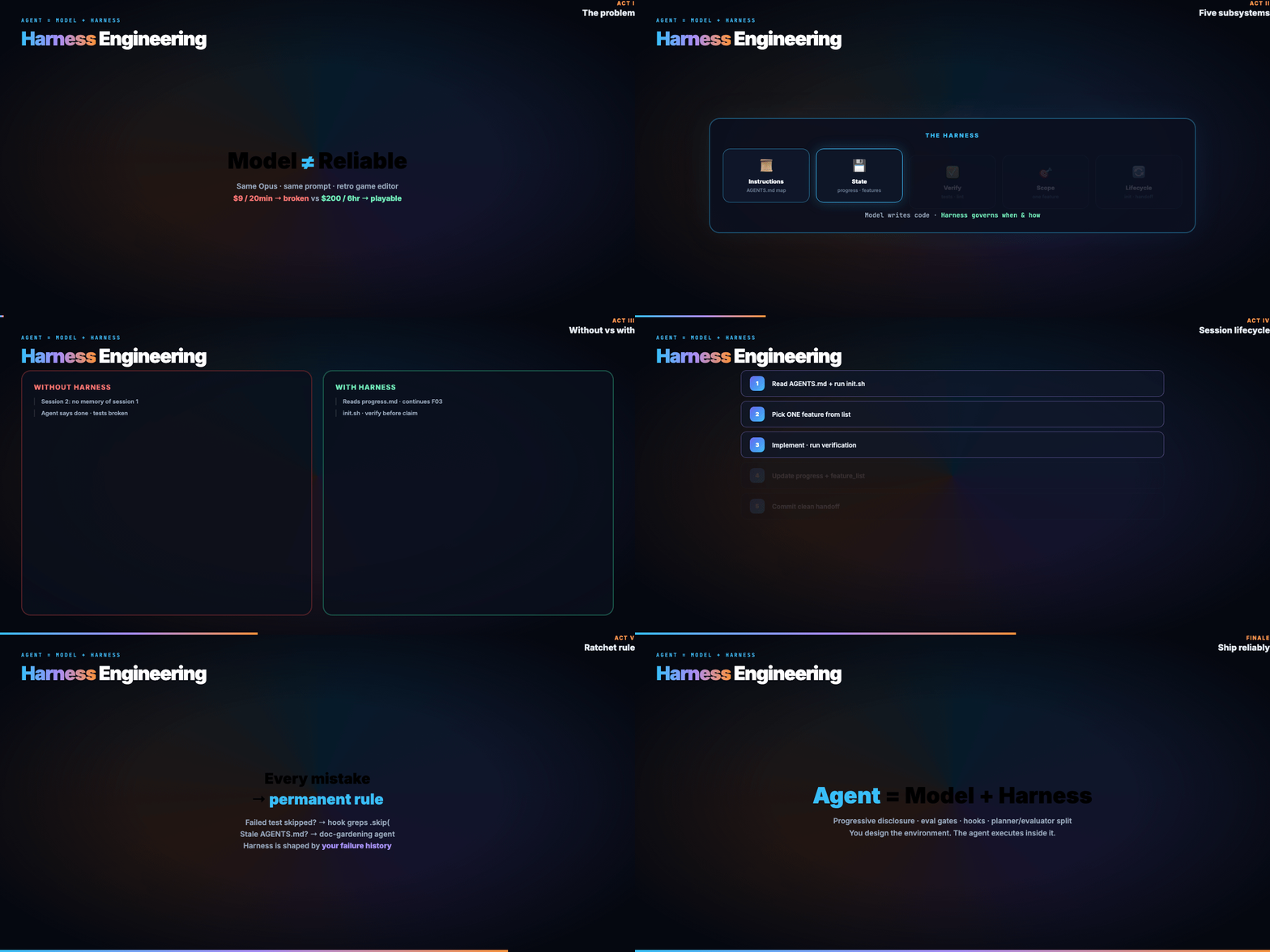
What you'll understand
- Why the same model fails or succeeds based on harness — not IQ
- The five subsystems: instructions, state, verification, scope, lifecycle
- AGENTS.md as map, not encyclopedia — progressive disclosure via
docs/ - The 16-step session lifecycle agents should follow
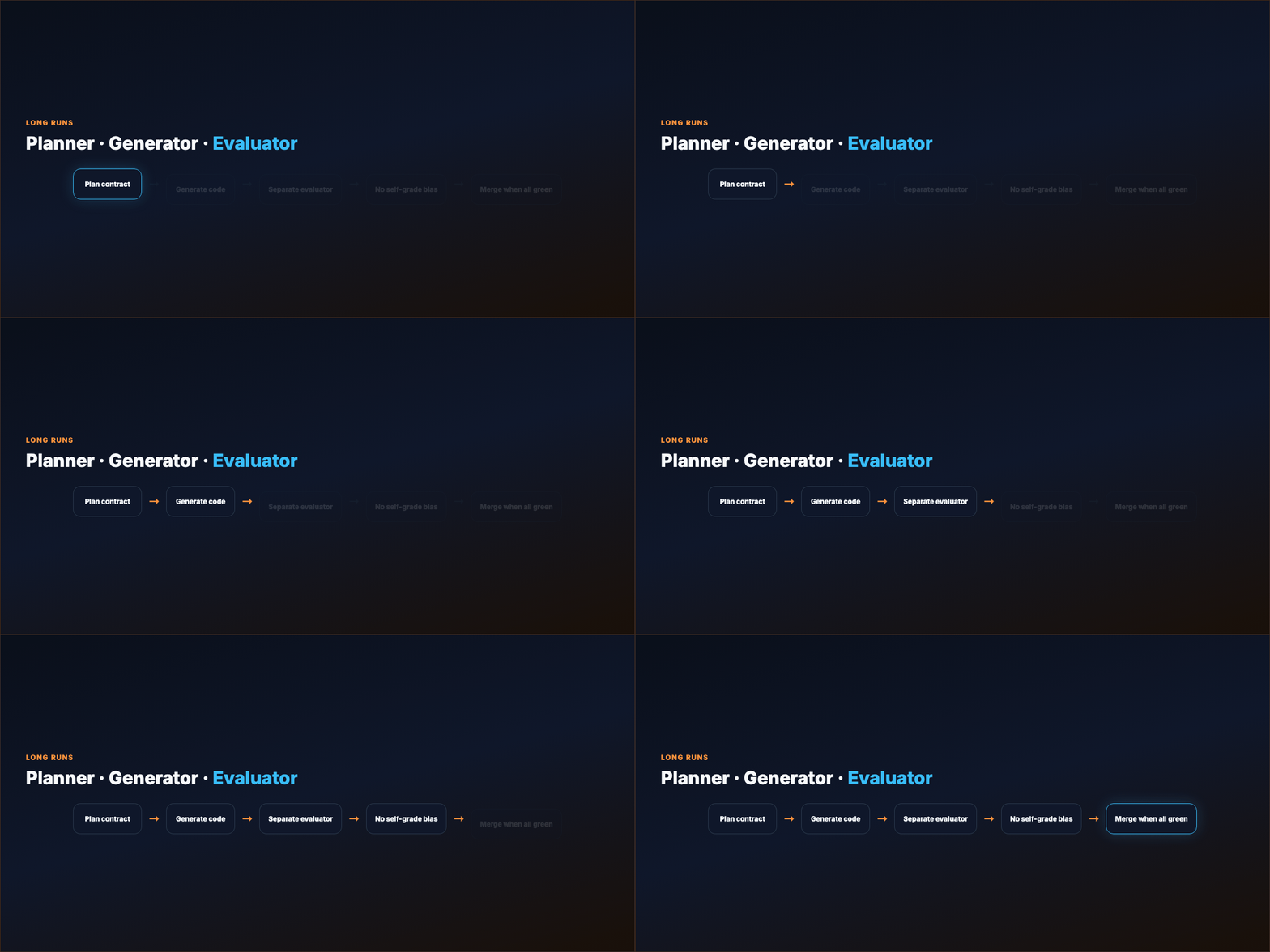
- Planner / generator / evaluator splits for long runs
- Copy-ready templates to drop into your repo today
Introduction — it's a harness problem
You give Claude or GPT a real task. It reads files, writes code, looks productive. Then it skips a step, breaks tests, says "done" — and nothing works. You spend more time rescuing than if you'd coded it yourself.
That's not a model problem. It's a harness problem.
Anthropic ran a controlled experiment: same model (Opus 4.5), same prompt ("build a 2D retro game editor"). Without harness: ~$9 in 20 minutes, broken output. With harness (planner + generator + evaluator): ~$200 in 6 hours, playable game. The model didn't change. The environment did.
OpenAI reported the same shift with Codex: in a well-harnessed repo, reliability moves from "unreliable" to production-grade — not a marginal tweak, a qualitative jump.
Harness engineering = designing everything the model runs inside: instructions, state files, verification gates, scope boundaries, session lifecycle, hooks, sandboxes, observability.
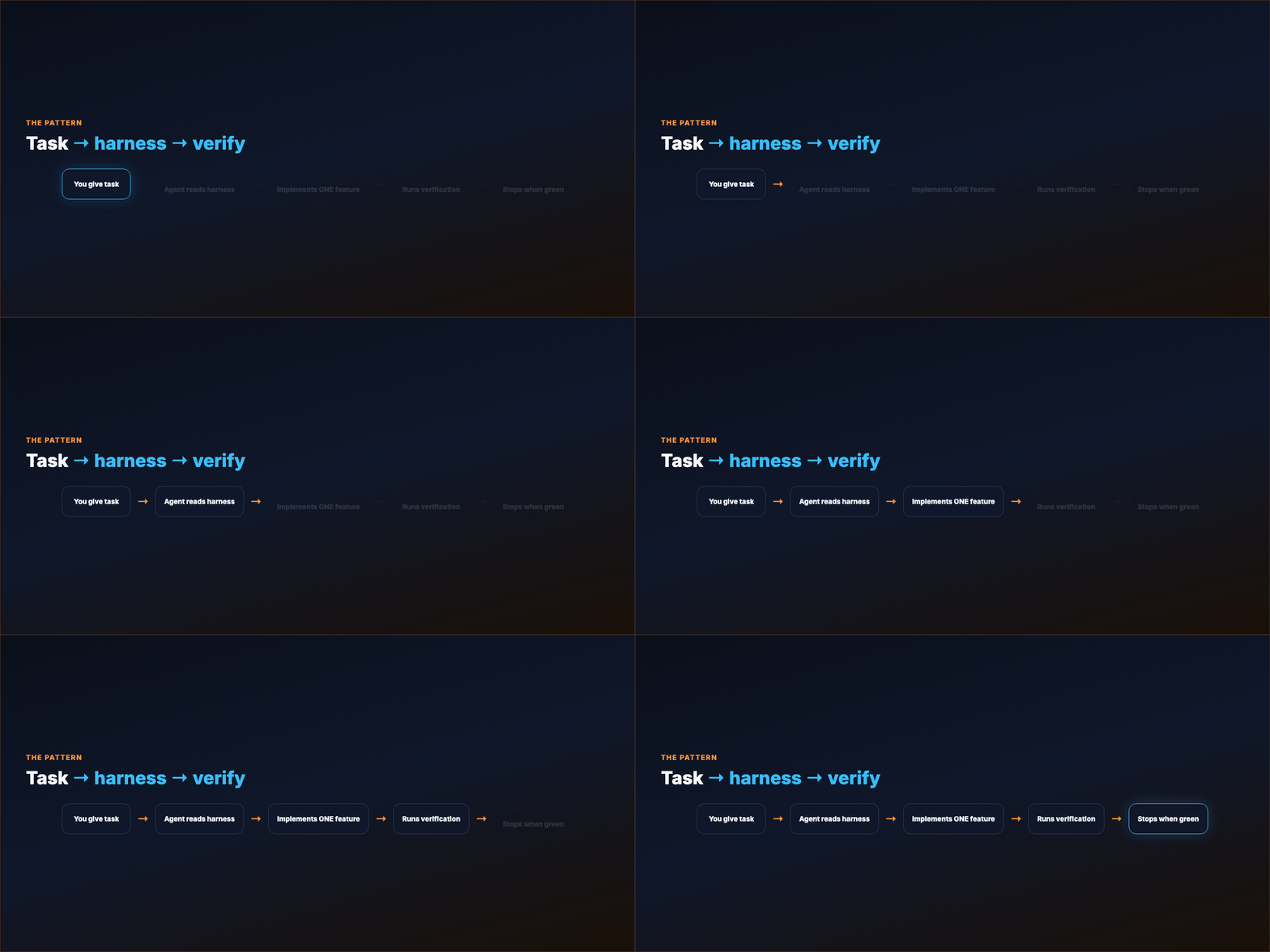
Part 1 — The harness pattern
You give a task. The agent:
- Reads harness files (not your Slack thread)
- Runs
init.sh— install, health check - Picks one unfinished feature
- Implements with verification loop
- Stops only when tests/lint/types pass
The model decides what code to write.
The harness governs when, where, and how — and when "done" is allowed.
Part 2 — Five subsystems
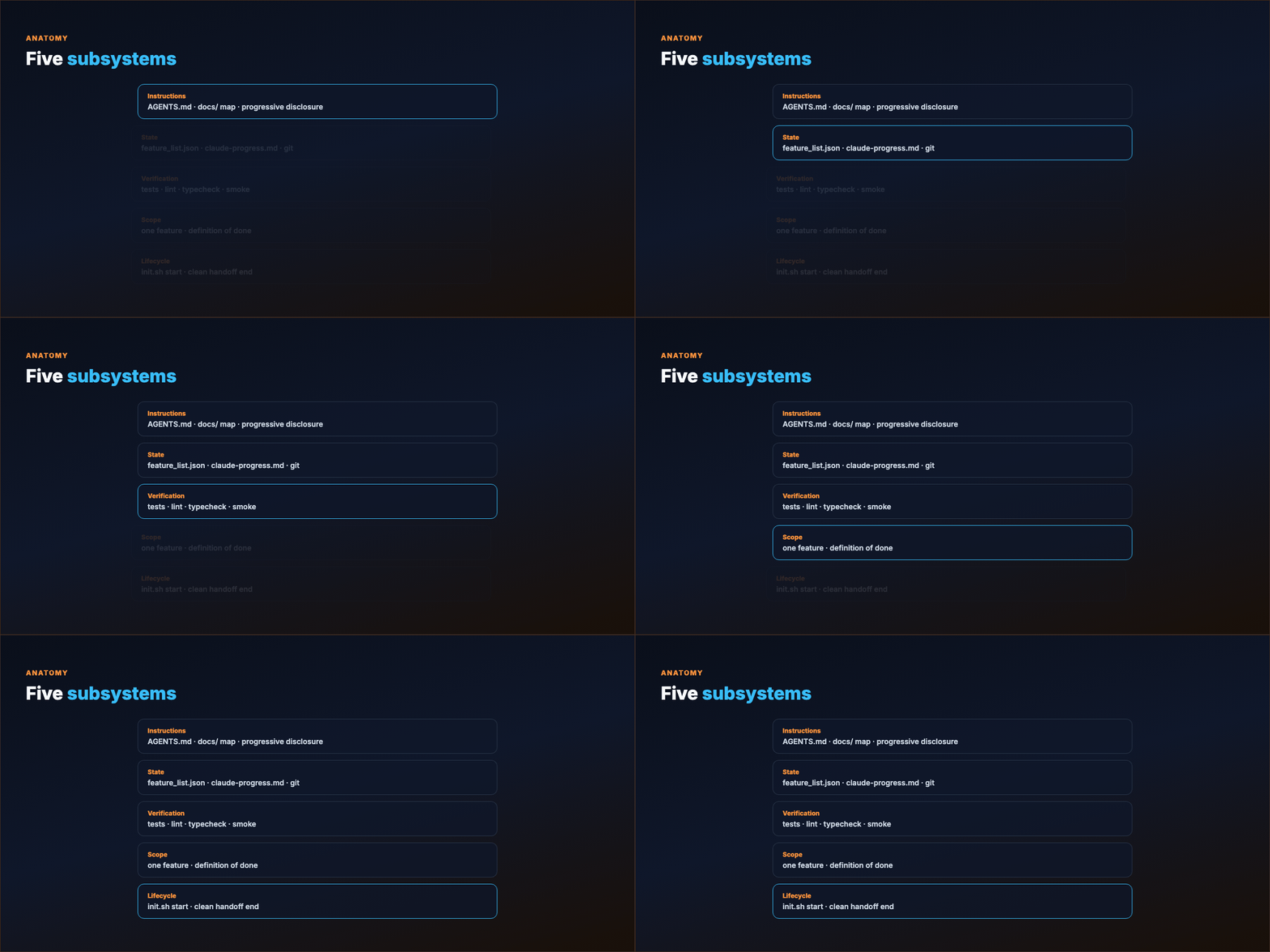
| Subsystem | Job | Artifacts |
|---|---|---|
| Instructions | What to do, in what order, what to read first | AGENTS.md, CLAUDE.md, docs/ |
| State | What's done, in progress, next | feature_list.json, claude-progress.md, git log |
| Verification | Proof before victory | tests, lint, typecheck, smoke, e2e |
| Scope | One feature at a time; real definition of done | feature list as machine-readable boundary |
| Lifecycle | Clean start and handoff | init.sh, wrap-up checklist, safe commit |
The harness doesn't make the model smarter. It makes output reliable.
Part 3 — Without harness vs with harness
Without: Session 2 has no memory. Agent re-does work or wanders. You merge broken code.
With: Session 2 reads claude-progress.md, continues feature F03, verifies before claiming done. You review, not rescue.
Part 4 — AGENTS.md: map, not encyclopedia
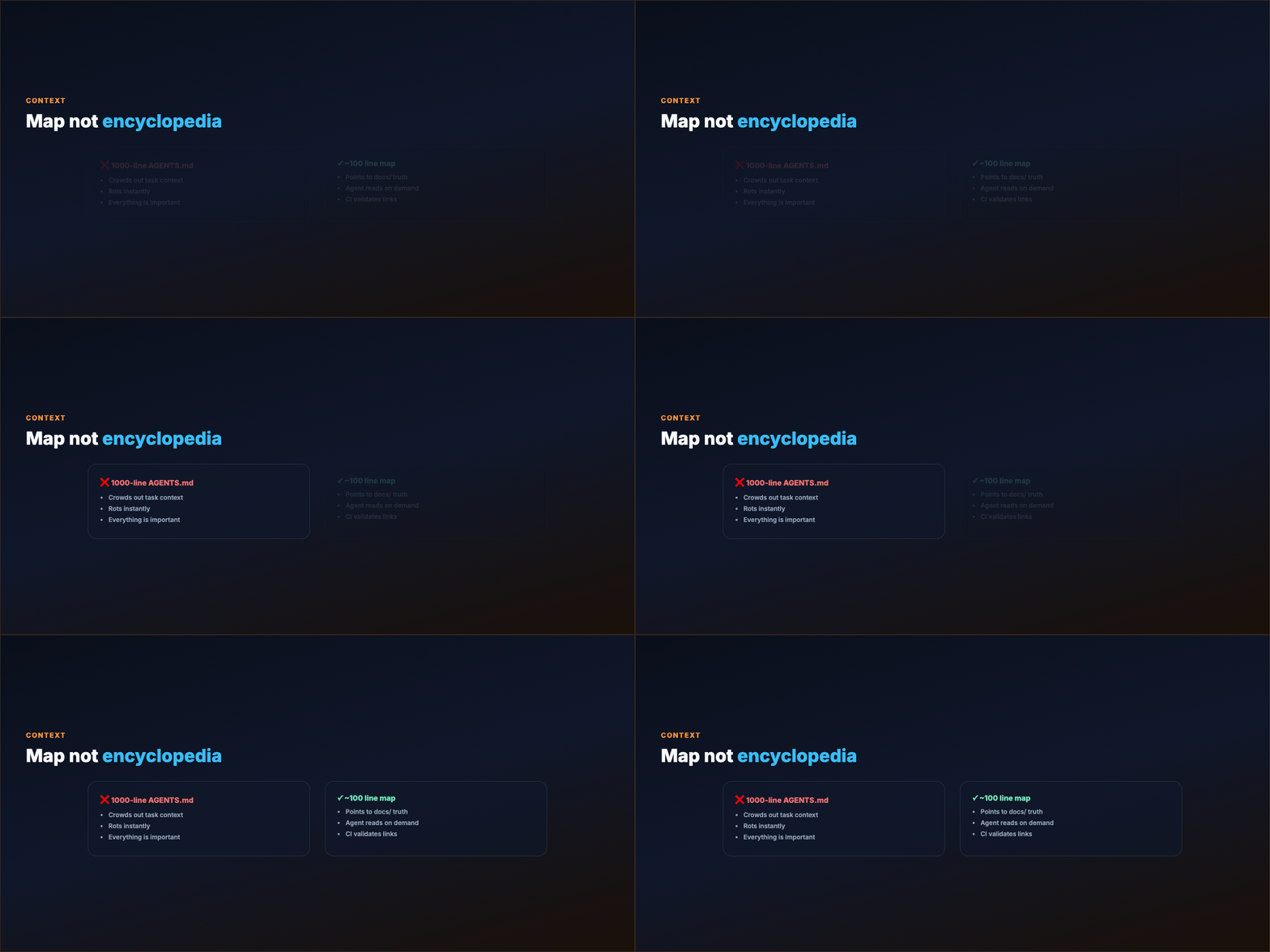
The "one giant AGENTS.md" approach fails predictably:
- Context is scarce — a 1,000-line manual crowds out the task
- Everything "important" means nothing is
- It rots — agents can't tell what's still true
Fix: ~100-line AGENTS.md as table of contents. Deep truth lives in structured docs/ — design docs, architecture, exec plans, quality grades. Agent starts small, reads on demand.
OpenAI's Codex team treats docs/ as system of record; linters and doc-gardening agents keep it fresh.
Part 5 — Session lifecycle (16 steps)
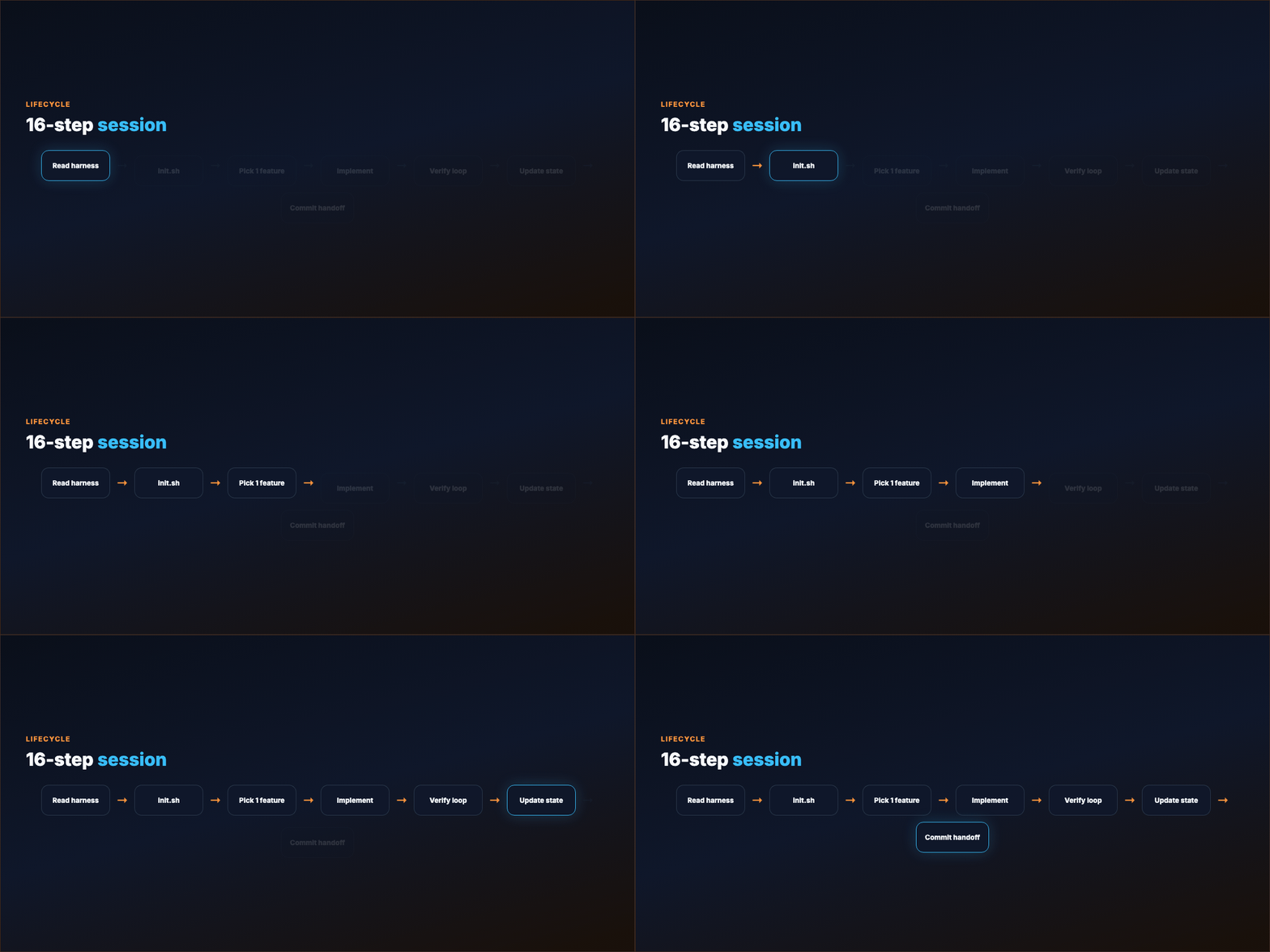
Start: Read harness → init.sh → progress log → feature list → git log
Select: Pick exactly one unfinished feature
Execute: Implement → verify → fix loop until green → record evidence
Wrap: Update progress + feature list → note broken/unverified → commit when safe to resume
Without harness, step "verify" becomes "agent says it looks fine." With harness, it's tests pass, lint clean, types check.
Part 6 — Scope and feature lists
feature_list.json is a harness primitive — machine-readable scope the agent can't hand-wave away.
Rules:
- One
passes: falsefeature active at a time - No rewriting the list to hide unfinished work
passes: trueonly with evidence (test name, date, log snippet)
See examples/feature_list.json.
Part 7 — Verification and early victory
Agents declare victory too early because confidence ≠ correctness. Fixes:
- Runnable proof required (not "I think it works")
- Full pipeline runs — unit + lint + typecheck + smoke
- Separate evaluator agent — generation ≠ grading (Anthropic harness pattern)
Part 8 — Hooks and the ratchet
Hooks enforce what prompts merely suggest: pre-commit typecheck, block rm -rf, grep for .skip(, require approval before push.
Ratchet rule: every agent mistake becomes a permanent constraint:
- Agent commented out a test → AGENTS.md rule + hook
- Agent ignored architecture layer → custom linter
- Stale docs → doc-gardening agent opens fix PR
Harness is shaped by your failure history — you can't download someone else's.
Part 9 — Agent legibility
If the agent can't see it in-repo at runtime, it doesn't exist. Slack decisions, Google Docs, tribal knowledge — illegible. Versioned markdown, schemas, plans, generated DB docs — legible.
Push context into the repo over time. Boring, composable stacks often beat clever abstractions agents can't inspect.
Part 10 — Production patterns (Codex / Claude Code)
Mature harnesses add:
- Per-worktree app boot — agent drives UI via Chrome DevTools MCP
- Local observability stack — LogQL/PromQL in the loop
- Layered architecture — mechanical dependency rules + structural tests
- Garbage collection — golden principles + recurring refactor agents
- Minimal merge gates — high throughput; fix forward when agent volume exceeds human attention
Humans steer at intent and acceptance criteria. Agents execute and self-review in loops.
Part 11 — Quick start (four files)
Drop into project root:
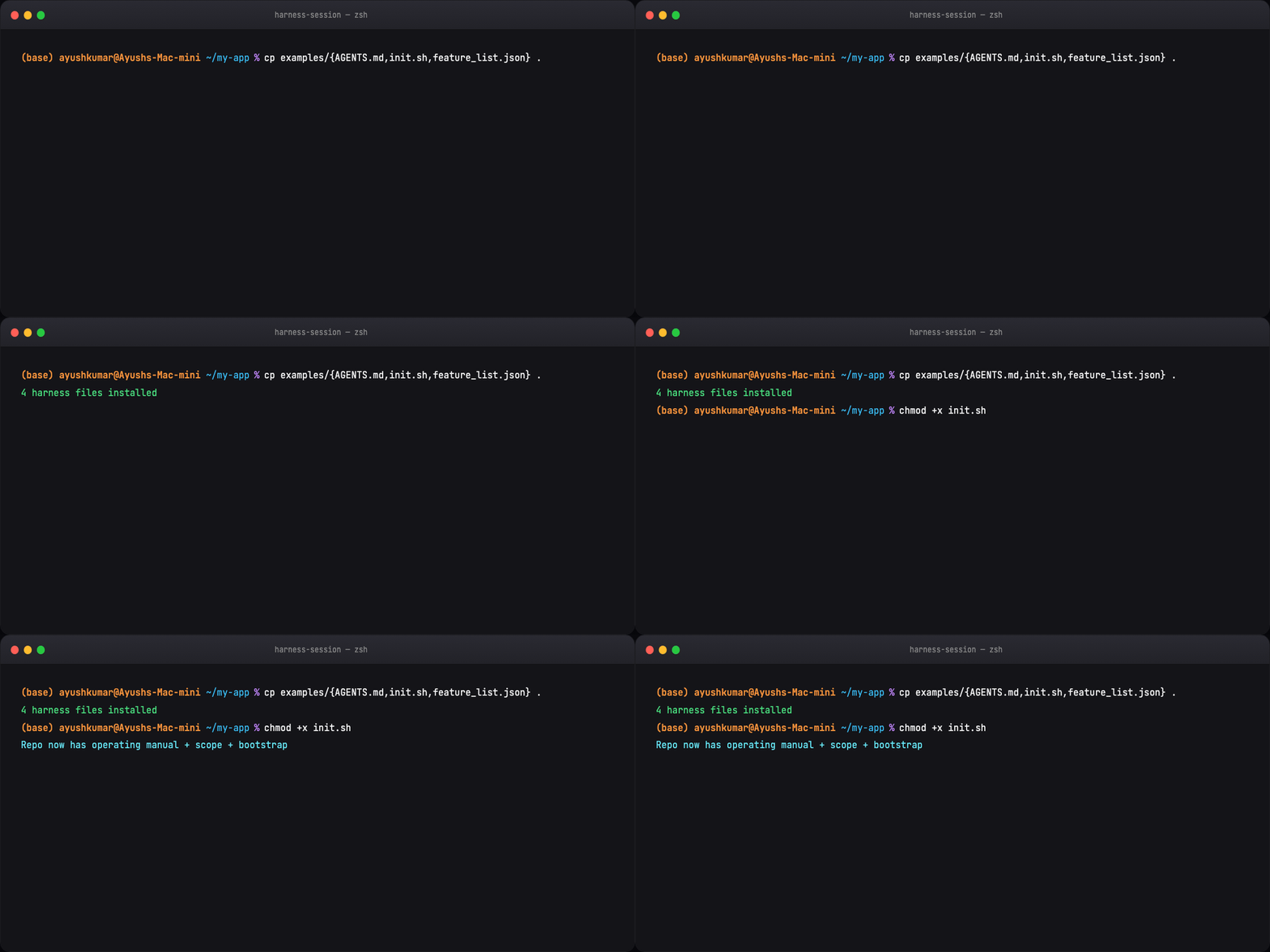
Copy from examples/. Sessions stabilize immediately vs prompt-only.
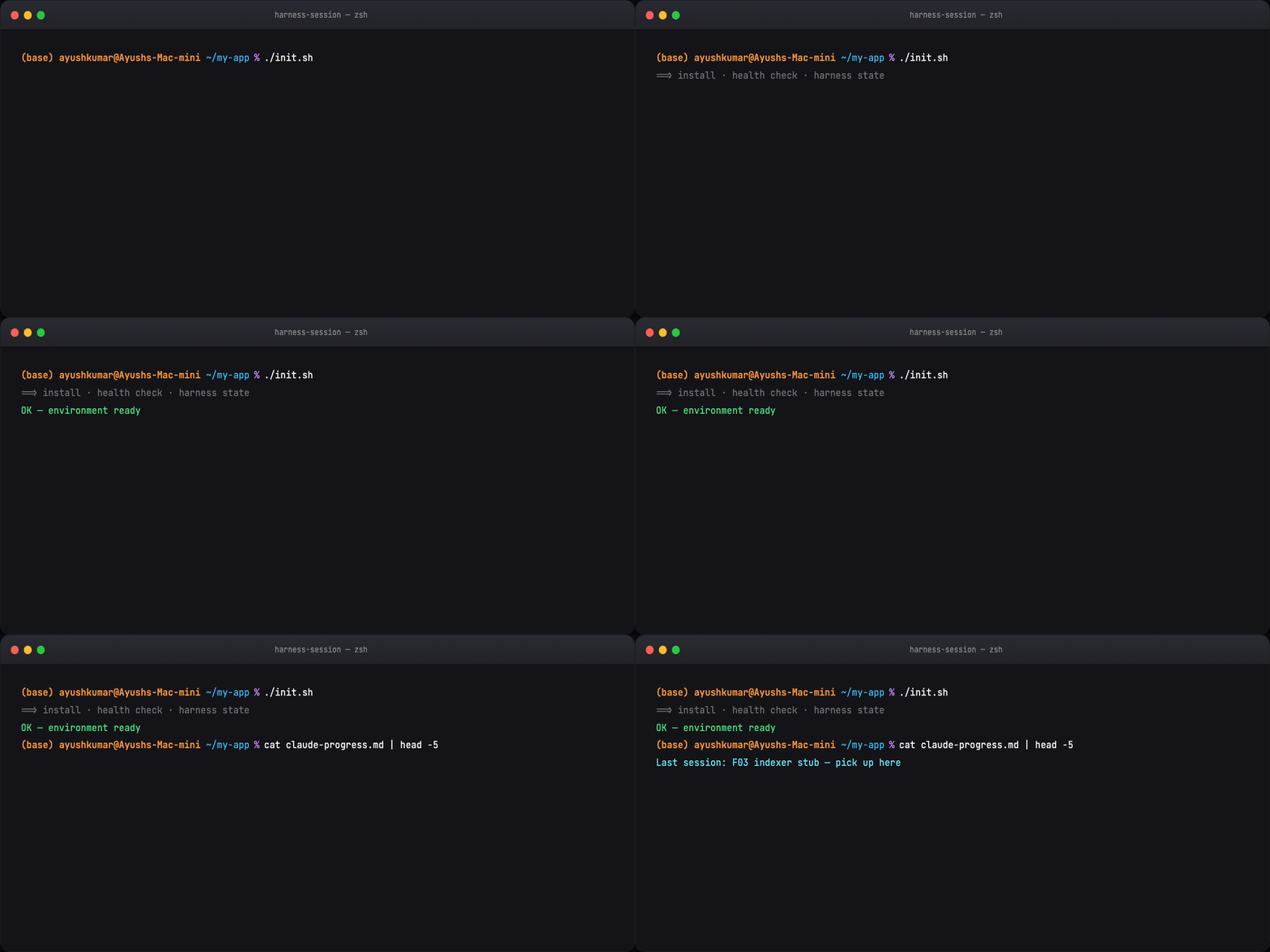
Part 12 — Hands-on session
./init.sh                    # bootstrap + health
# agent picks ONE feature
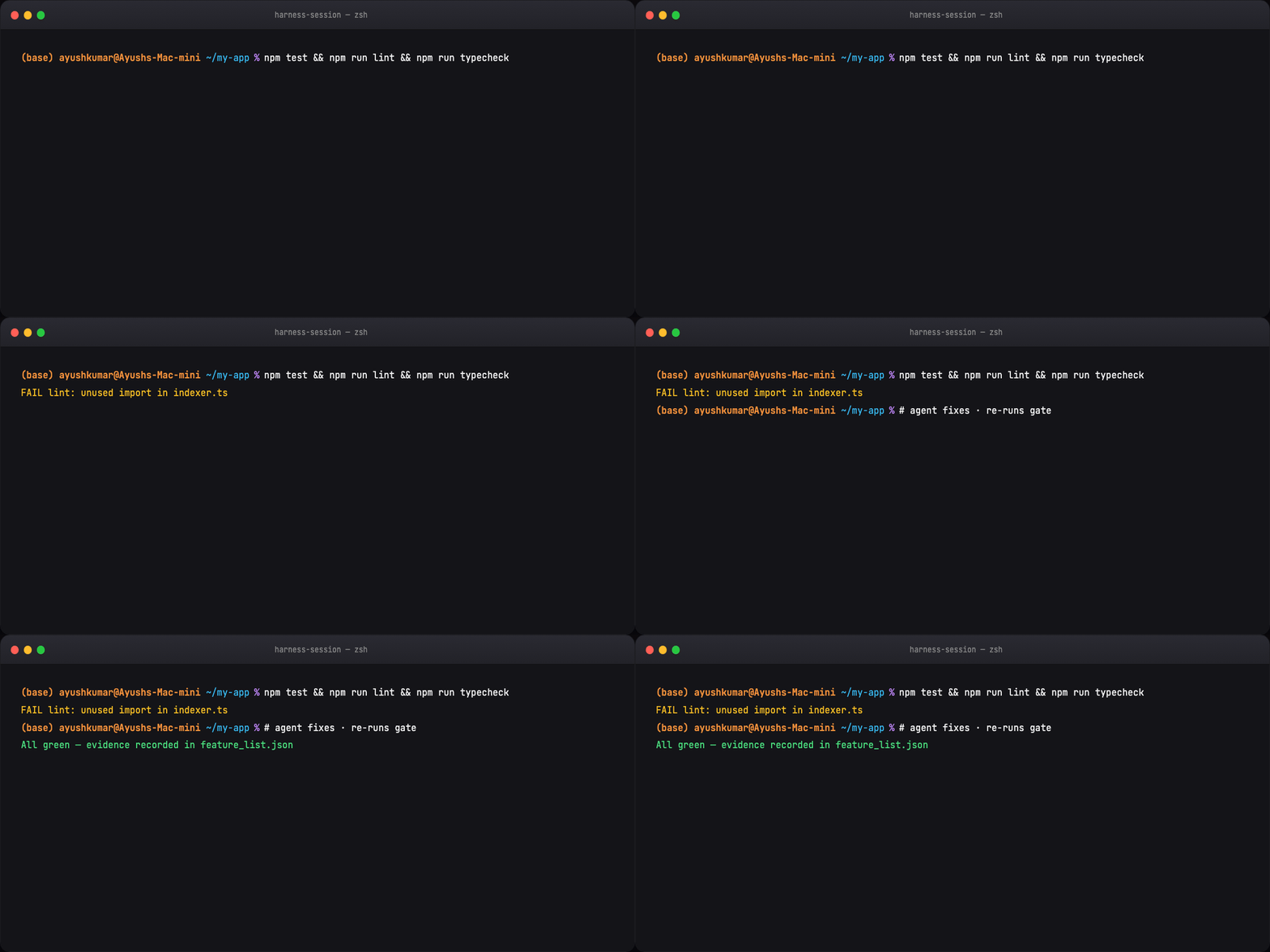
npm test && npm run lint     # verification gate
# update progress + feature_list
git commit                   # clean handoff
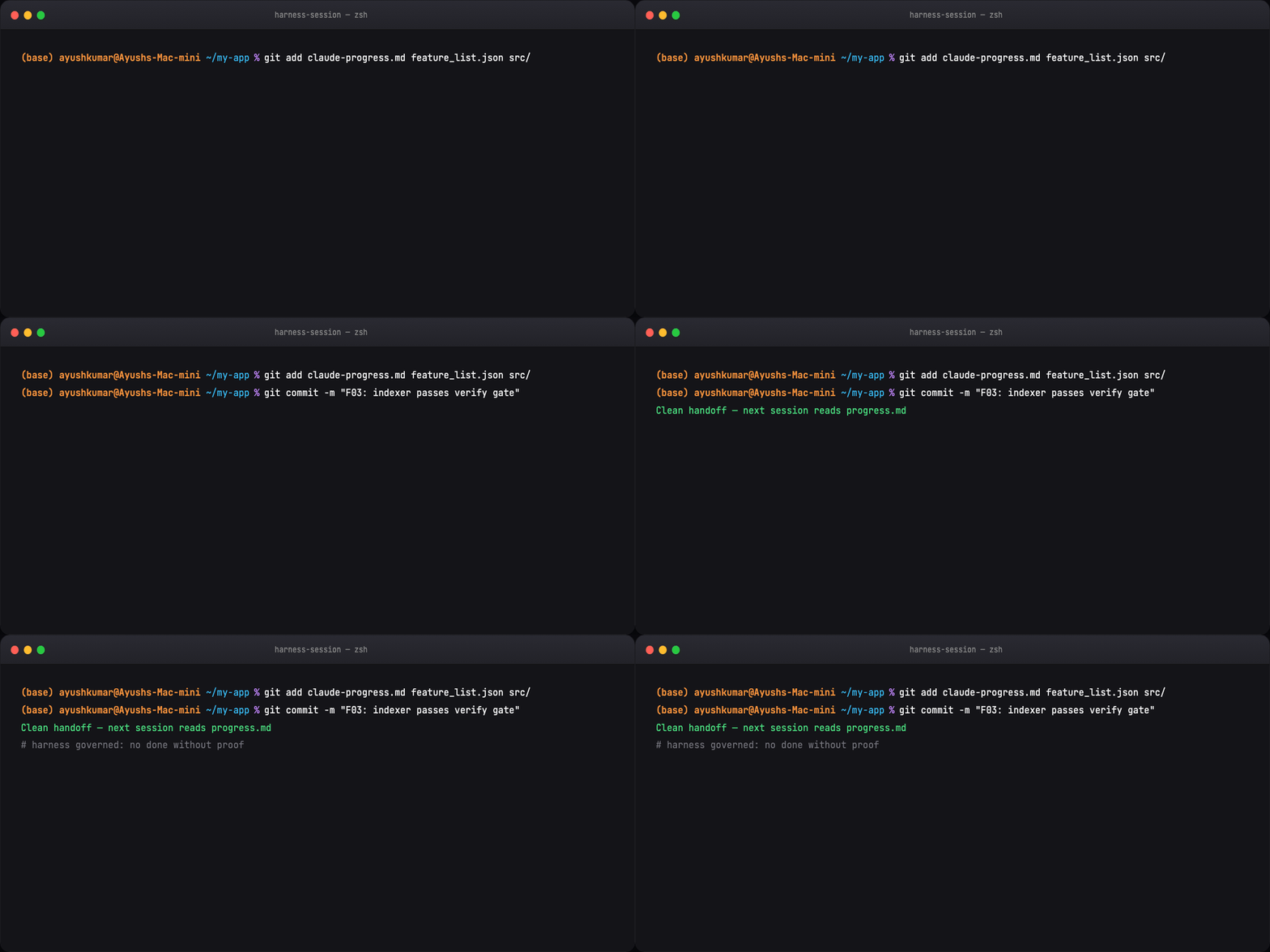
Part 13 — Capstone context (knowledge base app)
The learn-harness-engineering course builds one Electron knowledge-base app across six projects — import docs, index, grounded Q&A with citations. Each project adds harness mechanisms; the app evolves as skills grow.
Same pattern works for any real repo: measured weak vs strong harness diff, not doc count.
Part 14 — Learning path (12 + 6)
Lectures L01–L12: capability gap → harness definition → repo as truth → progressive disclosure → multi-session state → init phase → scope → feature lists → verification → e2e → observability → clean handoff
Projects P01–P06: prompt-only vs rules-first → agent-readable workspace → continuity → runtime feedback → self-verification → full capstone
Part 15 — Who this is for
Yes: engineers using coding agents daily; tech leads owning agent reliability; builders who'll let agents edit real repos
No: zero-code AI intro; prompt-only hobbyists; teams unwilling to add harness files to git
Requires: terminal, git, at least one of Claude Code / Codex / comparable agent CLI
Regenerate visuals (all 1200×600)
cd guides/harness-engineering/assets
python3 render_gifs.py all          # previews + diagrams + terminal + mega
python3 render_blog_poster.py
cd ../../..
./scripts/prepare-docs.sh
Further reading
- OpenAI: Harness engineering — leveraging Codex in an agent-first world
- Anthropic: Effective harnesses for long-running agents
- Viv Trivedy: Anatomy of an Agent Harness
- Loop Engineering — eval gates and closed loops
- Claude Code
.claude/— folder anatomy
Summary
Harness engineering is the discipline of making agents finish real work: map-not-encyclopedia instructions, disk-persisted state, verification before "done", one-feature scope, structured session lifecycle, hooks that ratchet on every failure. The model gets the headlines. The harness gets the merge.